
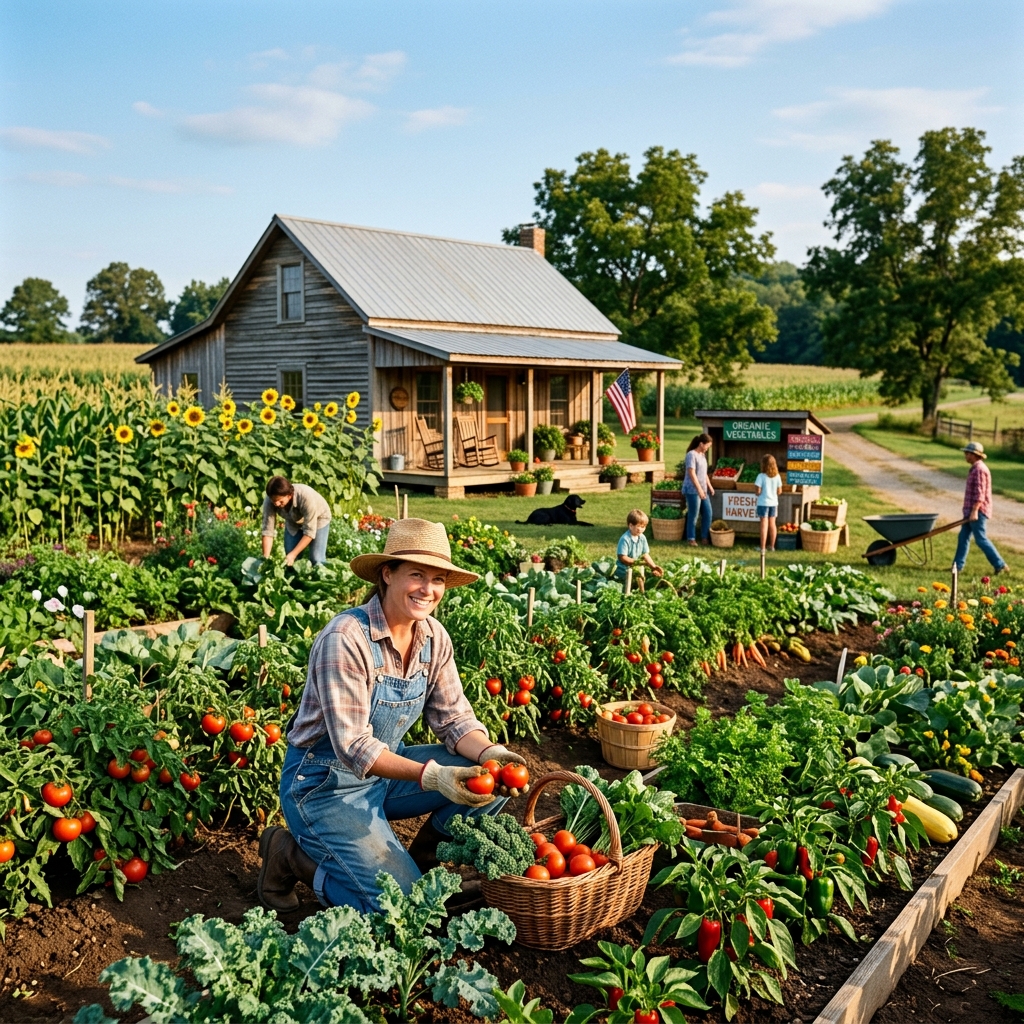
You have probably seen “farm-to-table” on a restaurant’s menu or website, or posted around St. George restaurants. You may ask what that term means for the restaurants that market themselves this way. It may be more than what you think or may even be less than what you think, but no matter what, understanding what it means will help you choose where to spend your hard-earned dollars on dining.
What Farm-to-Table Means
The term “farm-to-table” refers to restaurants that prefer to buy their ingredients directly from local producers (vegetable farms, ranches, dairies, orchards, etc.) rather than from large national distributors. This means the food has to travel a shorter distance to reach the customer, go through fewer hands, and be served to the customer closer to the date it was harvested.
The term lacks regulations, so there may be false claims. Also, there is no law that defines what local has to mean. Some restaurants may interpret ‘local’ to mean within a 50-mile radius, others may say 200 miles, and others may have no restrictions at all. This is what may cause two very different restaurants in St. George to share one seasonal salad, yet one builds its entire menu on seasonal ingredients from local producers.
Where the Idea Came From
The movement began in the 1970s, initiated by chef Alice Waters when she opened her restaurant, Chez Panisse, in Berkeley. The restaurant attracted the attention of many local farmers, who began delivering to it weekly. The movement grew as customers grew weary of processed food and preferred food with a shorter, more direct supply chain. Today, it has created a vast and diverse food culture, from fine dining establishments to fast-casual salad restaurants.
Why it Matters on Your Plate
When St. George restaurants source ingredients from farms in Washington County or the nearby areas, it benefits us all. Here’s how:
Taste the Freshness. Produce picked just days prior to serving adds flavor and nutrition. Ingredients transported from afar are picked early and stored at subzero temperatures.
Menus Matched to the Seasons. You won’t find the same tomato dish served in January as in August. Authentic St. George restaurants source ingredients seasonally and change their menus as the seasons change.
Money that Stays Local. Money spent on local ingredients supports local farms rather than faraway supply chains.
Stewardship and Sustainability. Sourcing ingredients seasonally shows stewardship to the earth and sustainability, as shorter delivery routes mean less fuel, packaging, and waste.
How to Spot the Real Thing
Menu claims are easy to make, but real local restaurants offer much more. Here are a few things to look for before making your reservation at St. George restaurants:
- Named Farms. Authentic restaurants/source kitchens provide specific farm names for their components. Unspecific terms like ‘locally inspired’ should raise questions.
- A Menu That Changes. If a restaurant’s offerings are static, it’s likely they don’t source ingredients seasonally.
- Staff That Knows. Ask a restaurant staff member where a specific ingredient is sourced. At authentic farm-to-table restaurants, someone knows the answer.
- Reasonable Limitations. No kitchen in the Utah desert grows its own citrus or coffee. A credible restaurant is upfront about what it can and can’t source nearby.
The Bottom Line
To be truly farm-to-table, you need to build relationships with your growers, cook with the seasons, and shorten your supply chains. Farm-to-table becomes simply marketing when a restaurant is disingenuous. The next time you’re out choosing a restaurant in St. George, take a closer look at the menu and ask a few questions. Restaurants committed to farm-to-table will happily answer, and it will be reflected in the quality of your meal.